If you've ever stood back after a fresh paint job and noticed a thin, uneven line where your baseboard meets the wall, you already know why this question matters. Caulking is one of those small steps that gets skipped more often than it should, and it's usually the difference between a paint job that looks "fine" and one that looks professional.
It's a question that comes up on almost every interior job I run here in the CSRA, whether it's a full room repaint in a Hephzibah rental or just refreshing trim in an older Summerville home. Homeowners want to know if it's really necessary, and DIYers want to know if it's worth the extra time. The short answer is: it depends on your walls, your trim, and how polished you want the finished look to be. The longer answer is below.
Here's the honest breakdown of when to caulk, when you can skip it, what happens either way, and the order of operations that actually gets you the best-looking result.
What Caulking Baseboards Actually Does
Caulk isn't just cosmetic. When applied along the seam between your baseboard and wall, it does three things:
- Seals the gap left by settling, humidity swings, or slightly imperfect trim installation
- Blocks dust and debris from collecting in that seam over time
- Creates a clean visual line so the wall color and trim color each look intentional, rather than blurring into each other
Without it, even a perfect paint job can look slightly "off" because your eye catches the tiny shadow gap between wall and trim. That gap also tends to get worse over time. Homes naturally shift and settle, wood trim expands and contracts with the humidity swings we get here in Georgia, and what was a barely-there seam a year ago can turn into a visible crack. A bead of quality caulk keeps that seam sealed and looking clean for years instead of months.
There's also a practical, non-cosmetic reason to caulk: that gap is a natural collection point for dust, allergens, and in some rooms, moisture. Sealing it isn't just about looks. It keeps your baseboards easier to clean and your walls looking fresher for longer, which matters a lot in our humid climate.
When Caulking Is Worth It
- Older homes in areas like Harrisburg, Olde Town, or Summerville where trim has shifted or gapped slightly over the years
- New construction in newer Columbia County or Grovetown developments, where baseboards were installed before the walls fully settled
- High-contrast color combinations, like a bold wall color next to bright white trim, where any gap is more visible
- Rooms you're trying to sell or show off, since caulking is a small cost that makes a big difference in perceived quality for a listing or open house
When You Can Skip It
- The baseboard is tightly fitted with no visible gap
- You're doing a quick touch-up rather than a full repaint
- The trim and wall are close in color, so minor gaps won't stand out
- Budget or time is genuinely tight, and the room isn't a priority space
The Trade-Off Nobody Talks About
Caulking adds time. It has to be applied, tooled smooth, and given time to skin over before you paint over it, usually 30 minutes to a few hours depending on the product. Skip this step and rush the paint, and you'll actually see the caulk line rather than hide it, which looks worse than no caulk at all.
That's the real reason a lot of DIY jobs skip caulking altogether. It's not that it doesn't matter, it's that doing it right takes patience most people don't budget for.
My Preferred Order: Paint First, Caulk Last
Most guides will tell you to caulk before you paint, then paint over the caulk once it's dry. That works fine, but on my jobs, I actually prefer to flip that order. I paint the walls and trim first, and add the caulk last.
Here's why: caulking last lets me get a much better blended look. Once both the wall color and trim color are already down, I can run the caulk bead right along that seam and tool it in so it feathers smoothly into both colors, rather than trying to paint precisely over a caulk line and hope the edges stay crisp. It gives you a cleaner, more seamless transition between wall and trim, and it hides any small imperfections in the seam better than doing it the other way around.
It's a small change in sequence, but it's one of those details that makes a finished room look noticeably more polished, especially in rooms with bold wall colors or higher-contrast trim, which we see a lot of in the CSRA's older character homes.
The Bottom Line
If you want a paint job that looks crisp and finished, the kind where the wall and trim look like they were always meant to be that color, caulking the baseboard seam is worth the extra step almost every time. It's inexpensive, it's not hard to do correctly, and it's the detail that separates an amateur repaint from one that looks like it was done by a pro.
Frequently Asked Questions
Should I caulk baseboards before or after painting? Either order can work, but painting first and caulking last gives a more blended, seamless look between the wall and trim colors.
Do all baseboards need to be caulked? No. Tightly fitted baseboards with no visible gap, or quick touch-up jobs, often don't need caulk. Older homes, new construction, and high-contrast color jobs benefit the most.
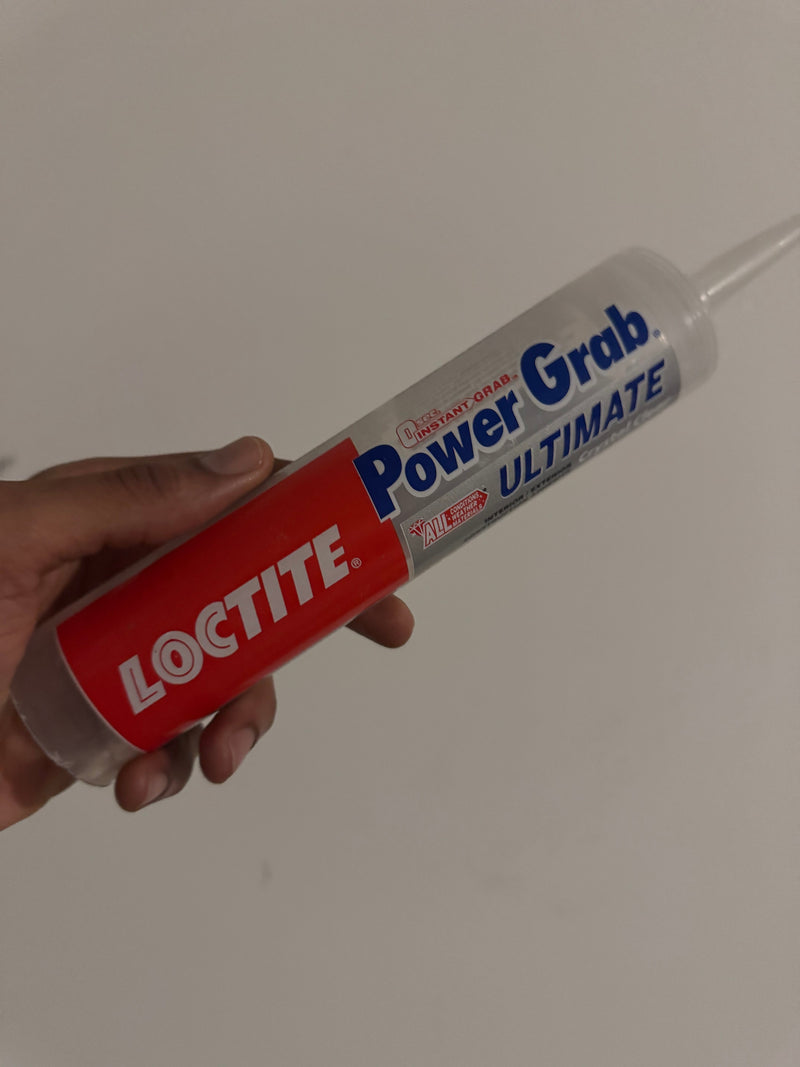
What type of caulk is best for baseboards? A paintable acrylic latex caulk is the standard choice for interior baseboard-to-wall seams since it stays flexible and takes paint well.
Looking for a painter in Augusta, Hephzibah, Grovetown, or anywhere in the CSRA who won't skip the small details? Dee Bee Freelancing handles interior and exterior painting and drywall repair throughout the Augusta area. Call or text us for a free estimate.